reliable Sherwood Park Metal Building Construction for your project
Advantages of Metal Construction for Commercial Use
Metal building construction offers a wide array of benefits that are increasingly valuable for today's businesses. Cost savings, durability, and sustainability stand out as key advantages. The efficiency of assembly can speed up construction, while the longevity of materials lowers long-term expenses. As companies seek to balance functionality with environmental responsibility, the appeal of metal structures is gaining popularity. Yet, the implications of these benefits extend further than basic use. What does this mean for the future of commercial construction?
How Metal Building Construction Saves Money
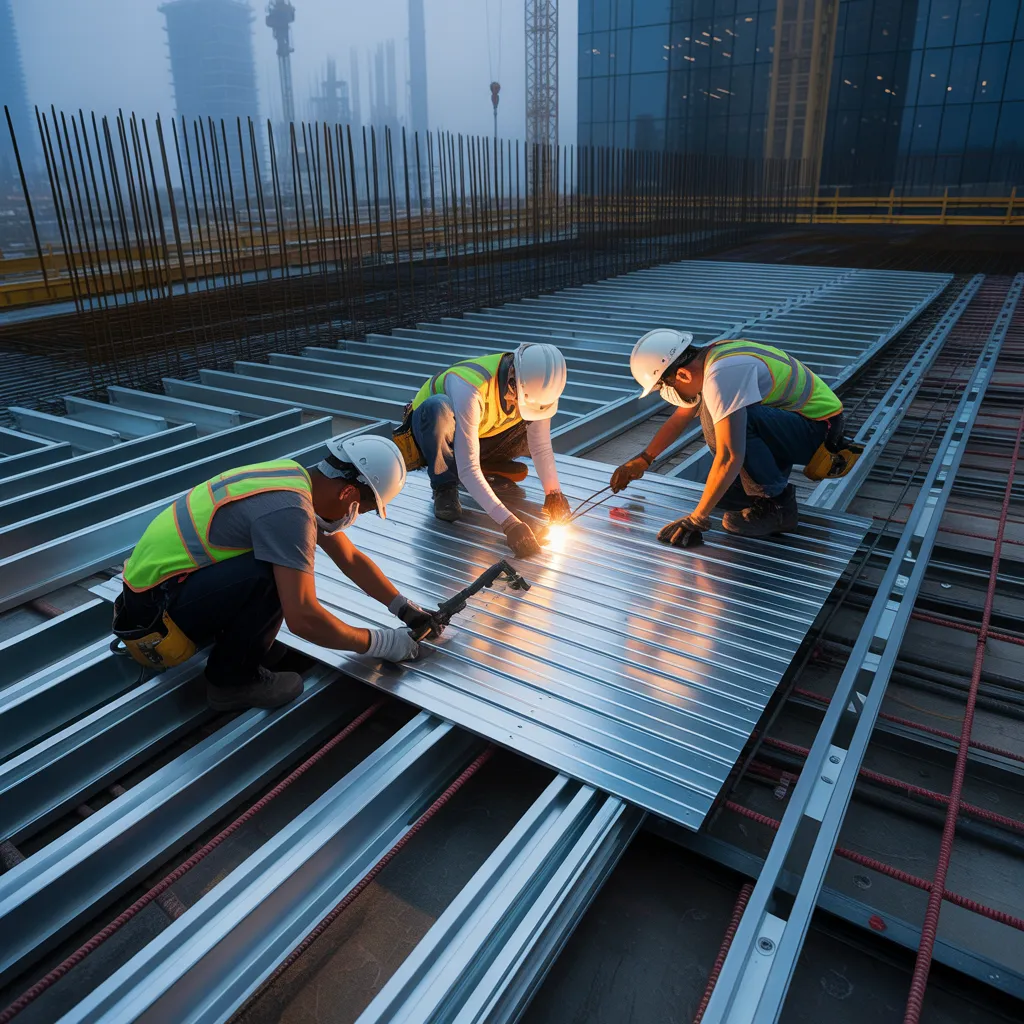
Metal building construction offers substantial financial benefits, making it an popular solution for various projects. One of the primary reasons for these savings is the decreased construction labor associated with metal structures. Pre-engineered components often allow for rapid construction, minimizing the time workers need on-site. Additionally, the materials used in metal construction are generally less expensive than traditional building materials, contributing to lower overall project costs.
Moreover, metal buildings typically need minimal upkeep, which can lead to further financial advantages over time. Their durability reduces the maintenance costs, making them a smart financial choice. Energy efficiency is another factor; many metal buildings are designed to improve energy performance, resulting in decreased energy bills. Overall, the combination of efficient building, lower material costs, and reduced long-term expenses positions metal construction as a cost-effective solution.
Why Metal Buildings Are Built to Last
When considering the advantages of metal building construction, durability emerges as a key benefit. Metal structures are engineered to withstand extreme weather conditions, such as strong storms, snow loads, and even seismic activities. This resilience lowers repair expenses over the lifespan of the building, making it an smart investment for businesses. Unlike traditional materials, metal does not warp, crack, or rot, guaranteeing long-term structural integrity.
Additionally, metal buildings are often treated to withstand environmental damage, further enhancing their longevity. This durability guarantees that businesses can minimize disruptions. The strength of metal also allows for larger open spaces without numerous support columns, providing functional design for various needs.
Sustainability Advantages of Metal Buildings
While many construction materials contribute to environmental degradation, metal building construction offers a more eco-friendly option. Steel, a primary component, is highly recyclable, with a recycling rate exceeding high levels. This examine now not only reduces material waste but also supports sustainability. Additionally, metal buildings often utilize energy-efficient designs, which can minimize environmental impact.
The reflective properties of metal roofs can lower indoor temperatures, leading to reduced energy bills. Furthermore, metal structures can integrate green systems, enhancing their eco-friendly profile. Their durability extends building lifespan, reducing replacement frequency.
How Fast Construction Saves Money
Accelerating the construction process can lead to significant cost savings for businesses. Metal buildings can be erected quickly due to modular systems, reducing labor costs and minimizing project duration. This rapid assembly translates into better resource allocation.
Additionally, shorter timelines enable businesses to launch faster. Faster projects also result in less financial burden. The durability of metal buildings contributes to ongoing cost reductions, as they require reduced upkeep.
Applications of Metal Structures
Metal buildings offer a wide variety of uses, making them an ideal choice for various industries. Their structural integrity allows use in commercial spaces, warehouses, and manufacturing facilities. Additionally, they serve agricultural purposes such as livestock housing.
In retail, they can be transformed into commercial outlets. Educational institutions use them for classrooms, while recreational uses include event spaces. Their adaptability extends to residential uses like garages.
Are Metal Buildings Easy to Maintain?
Maintaining metal buildings is straightforward due to their reduced repair demands. Their durability contributes to lower maintenance costs.
Low Maintenance Needs
Metal buildings are resistant to environmental wear, requiring only periodic cleaning. Protective coatings help prevent rust. This efficiency allows owners to save time.
Durability Advantages
Metal buildings are engineered to endure extreme climates. They resist corrosion, pests, and damage, ensuring reliability. This durability supports efficiency.
Common Questions About Metal Buildings
Customization Features
Options include various design elements, as well as features like mezzanines, partitions, and energy-efficient systems.
Material Comparison
Metal buildings offer lower maintenance compared to traditional materials like wood or brick.
Can Metal Buildings Withstand Extreme Weather Conditions?
Yes, metal buildings can resist harsh climates due to their engineering design.
Financing Options
Options include bank loans, leasing, grants, and specialized programs to suit different budgets.
Fire Resistance of Metal Structures
Yes, metal buildings are fire-resistant, making them a reliable solution for many industries.